


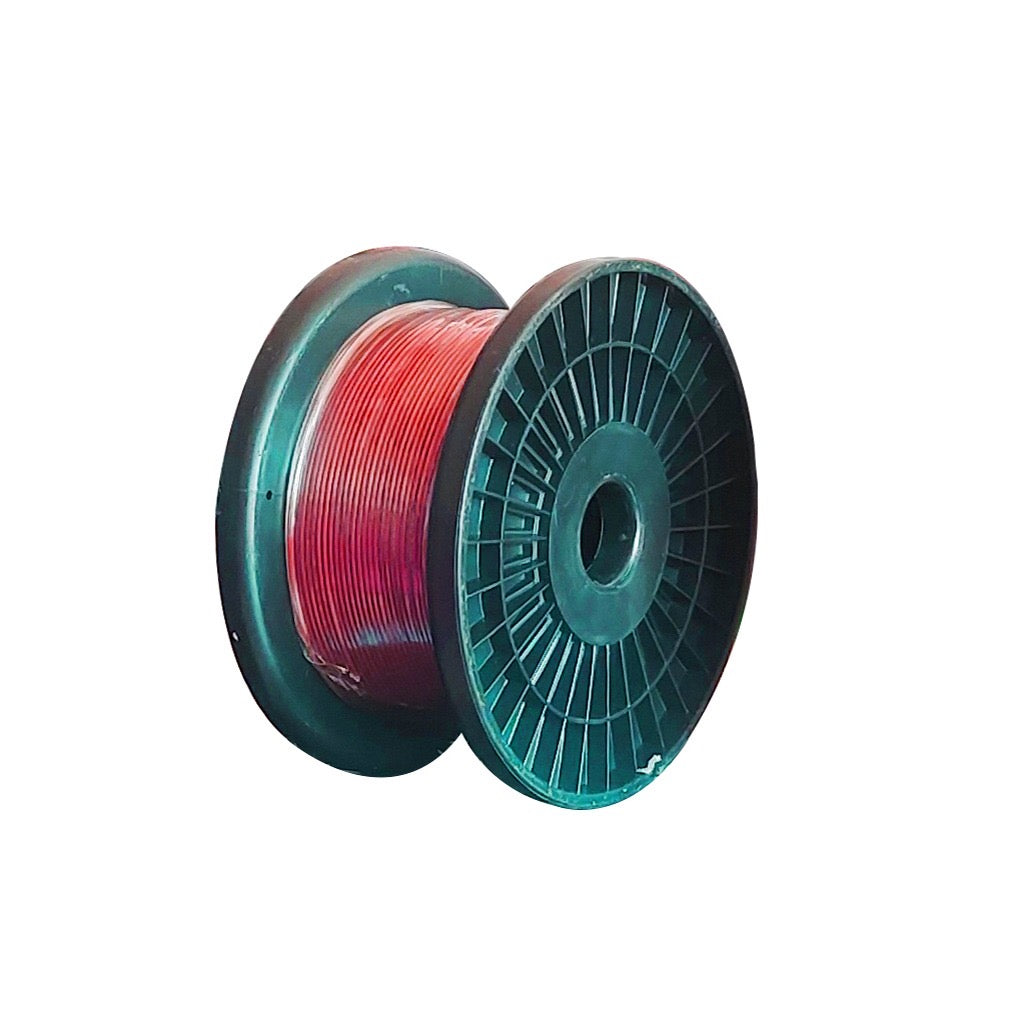
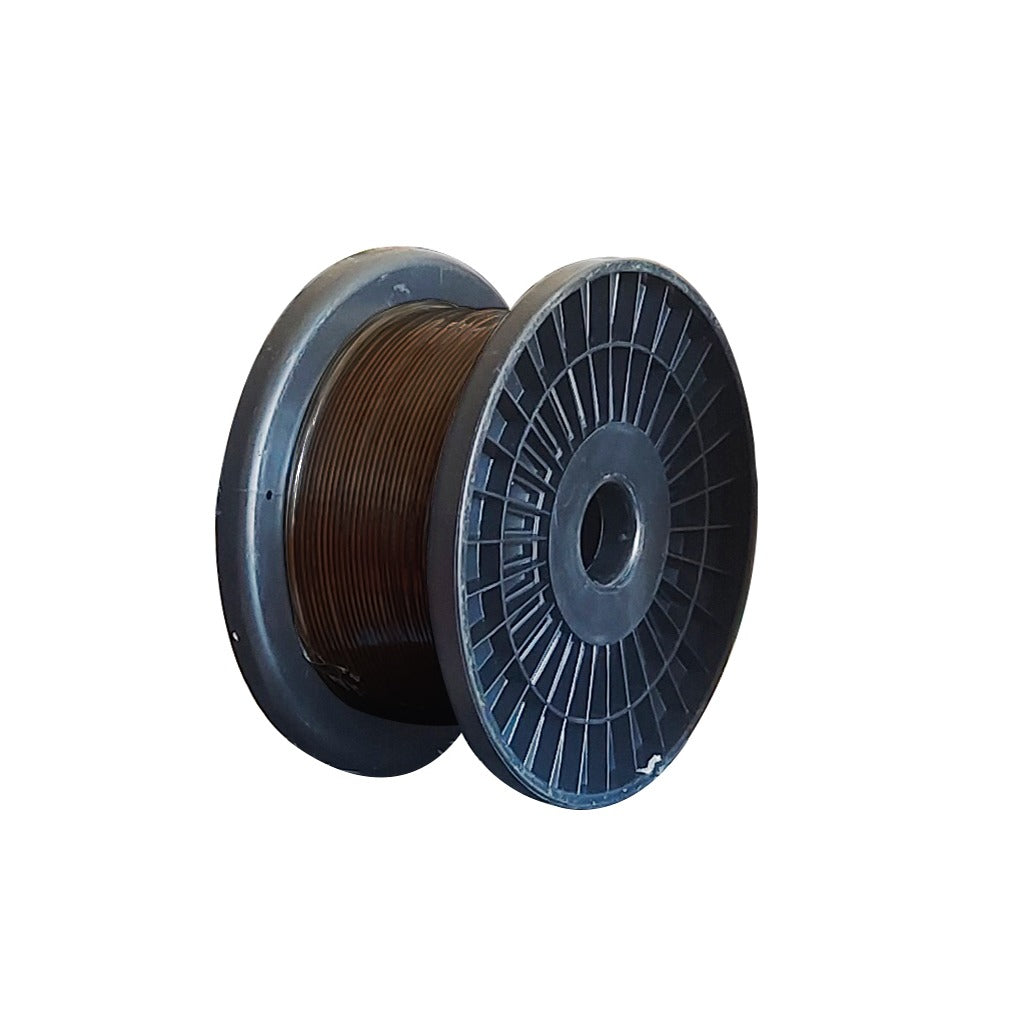


Choosing the correct wire gauge is one of the most critical decisions in any automotive wiring project. Get it wrong and you risk voltage drop, overheating, or even an electrical fire. Get it right and your build will be reliable, safe, and perform exactly as intended.
Why Wire Gauge Matters
Wire gauge determines how much current a wire can safely carry. In automotive applications, undersized wire creates resistance, which causes heat build-up and voltage drop — both of which can damage sensitive electronics like ECUs, sensors, and fuel injectors.
In Australia, automotive wiring typically uses metric sizing (mm²) rather than the American Wire Gauge (AWG) system, though you'll encounter both when sourcing components.
Understanding the Basics: Current, Voltage Drop, and Length
Three factors determine the correct wire gauge for any circuit:
- Current (Amps): How much current will the circuit draw at peak load?
- Circuit length: Longer runs require heavier gauge wire to compensate for resistance.
- Acceptable voltage drop: For most automotive circuits, keep voltage drop under 3%. For sensitive electronics like ECUs, aim for under 1%.
Common Wire Gauges and Their Applications
Here's a practical guide to the most common wire sizes used in performance automotive builds:
- 0.5mm² (20 AWG): Signal wires — sensor inputs, trigger signals, CAN bus. Low current, short runs.
- 1.0mm² (18 AWG): General purpose — injector signals, solenoid outputs, lighting circuits up to 10A.
- 2.5mm² (14 AWG): Medium current — fuel pumps, cooling fans, ignition coils. Up to 25A.
- 4.0mm² (12 AWG): Higher current — starter circuits, high-draw accessories. Up to 35A.
- 6.0mm² (10 AWG): Heavy current — alternator feeds, main power distribution. Up to 50A.
- 16mm²+ (6 AWG+): Battery cables, main earth straps, high-amperage power feeds.
Wire Gauge for ECU Wiring Harnesses
When building or modifying an ECU wiring harness, signal wires are typically 0.5mm² to 1.0mm², while power and ground feeds to the ECU should be 2.5mm² or heavier depending on the ECU's current draw. Always refer to your ECU manufacturer's wiring guide for specific recommendations.
Using quality automotive-grade wire with the correct temperature rating (typically 105°C for engine bay applications) is just as important as selecting the right gauge.
Tips for a Professional Result
- Always use automotive grade wire rated for the temperature environment (engine bay vs. cabin).
- Use a proper wire gauge calculator when in doubt don't guess on critical circuits.
- Keep power and ground wire lengths equal where possible to balance resistance.
- Use quality connectors that match the wire gauge. A good wire terminated poorly is still a failure point.
- Label every wire during the build.
Shop Wiring Components at Race Concepts
At Race Concepts Australia, we stock a comprehensive range of automotive wiring components to support your build from quality wire and terminals to professional grade connectors and ECU headers. Browse our range to find everything you need for a clean, reliable wiring harness.
Ready to start your build? Explore our full range of wiring components and connectors — or get in touch if you need advice on your specific application.